
Purity is a key parameter that influences the reliability of peptide‑based experiments. While higher purity generally means better data, it also increases cost. Pure Peptides offers several purity tiers that align with common research needs.
Understanding Purity Grades
Our standard offerings include:
- Research Grade (≥90%): Suitable for quick screening, cell culture assays, and educational demos.
- High‑Purity Research (≥95%): Ideal for binding studies, fluorescence assays, and most in‑vitro work.
- Ultra‑Pure (≥98%): Required for structural biology (NMR, X‑ray), pharmacokinetic studies, and therapeutic development.
When to Use Each Grade
Screening and Preliminary Tests
For exploratory work where you test dozens of candidates, the 90% grade offers a cost‑effective solution. Minor impurities usually do not interfere with crude activity measurements.
Quantitative Binding and Kinetic Measurements
Techniques such as surface plasmon resonance (SPR) or isothermal titration calorimetry (ITC) demand higher purity (≥95%) to avoid background noise and false positives.
Structural Determination and Drug Development
High‑resolution methods require ultra‑pure material to prevent overlapping peaks in HPLC or ambiguous mass signals. Moreover, impurity‑derived artifacts can jeopardize safety assessments in pre‑clinical phases.
Cost‑Benefit Analysis
Below is a simplified cost model (prices are illustrative):
| Purity Tier | Typical Price per mg | Recommended Use |
|---|---|---|
| Research Grade (≥90%) | $30 | High‑throughput screening |
| High‑Purity (≥95%) | $45 | Binding assays, cell‑based work | Ultra‑Pure (≥98%) | $70 | Structural studies, pre‑clinical |
Impact on Data Reproducibility
Impurities can act as competing ligands, change solubility, or introduce unexpected interactions. Selecting the appropriate purity reduces variability between replicates and across laboratories.
How to Verify Purity Independently
Even though COAs are provided, some labs perform a repeat HPLC run or mass verification before critical experiments. This added step is especially common when working with ultra‑pure peptides for regulatory submissions.
Final Recommendations
- Start with 95% purity for most assays.
- Upgrade to 98% only when downstream applications demand it.
- Maintain detailed records of batch numbers and purity levels for traceability.
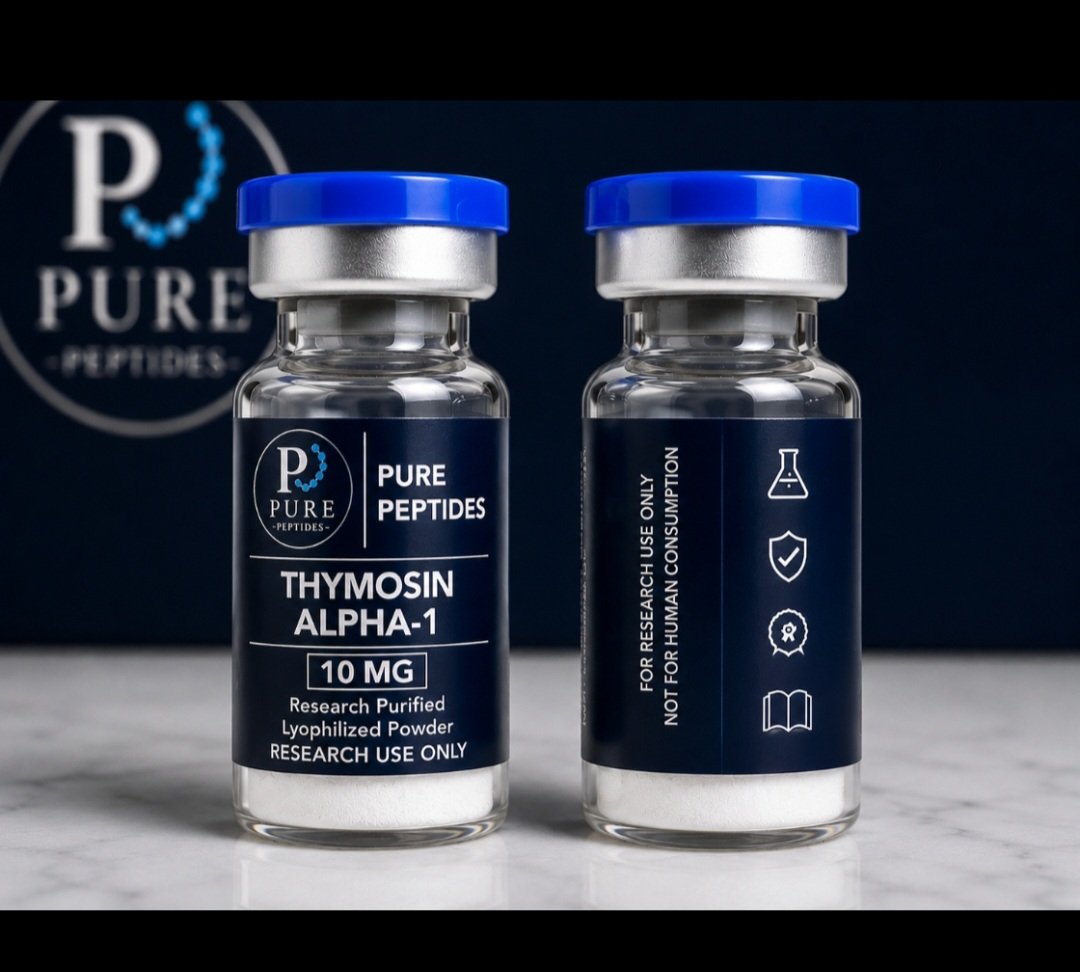
Choosing the right purity level balances scientific rigor with budget constraints, ensuring you get the most out of each Pure Peptides vial.