

Peptides have become indispensable in cancer research because they combine the specificity of antibodies with the ease of chemical synthesis. At Pure Peptides, we supply a broad library of peptides that support each stage of oncological investigation.
1. Receptor Binding and Inhibition Studies
Many tumors overexpress surface receptors such as EGFR, HER2, or integrins. Short‑synthetic peptides can act as ligands or antagonists to probe these receptors. By measuring binding affinity (e.g., using SPR or ELISA), researchers can validate targets before moving to larger‑scale antibody development.
2. Cell‑Penetrating Peptides (CPPs) for Intracellular Delivery
CPPs like TAT or penetratin enable the delivery of cargo—small molecules, siRNA, or CRISPR components—directly into cancer cells. This strategy accelerates functional genomics studies and helps assess drug efficacy in a controlled intracellular environment.
3. Epitope Mapping for Vaccine Design
Identifying tumor‑specific epitopes is critical for personalized cancer vaccines. Overlapping peptide libraries covering the entire antigen sequence allow systematic screening of T‑cell responses. Pure Peptides can synthesize these libraries with high purity, ensuring reliable immunogenicity data.
4. Peptide‑Based Imaging Agents
Radiolabeled or fluorescently tagged peptides can visualize tumor margins in vivo. For example, the peptide ^68Ga‑DOTATATE binds somatostatin receptors on neuroendocrine tumors, enabling PET imaging. Researchers can order custom‑labeled peptides to develop their own diagnostic tools.
5. Inhibitory Peptides Targeting Protein‑Protein Interactions
Disrupting oncogenic protein‑protein interactions (PPIs) such as MDM2‑p53 or BCL‑2 family members can trigger apoptosis. Short, stapled peptides are engineered to enter cells and block these PPIs, providing a rapid way to test therapeutic hypotheses.
Best Practices When Ordering Peptides for Cancer Workflows
- Purity level: Choose ≥95% purity for binding assays; consider >98% for structural studies.
- Labeling: Request fluorophore or isotope conjugation at the time of synthesis to avoid post‑synthetic modifications.
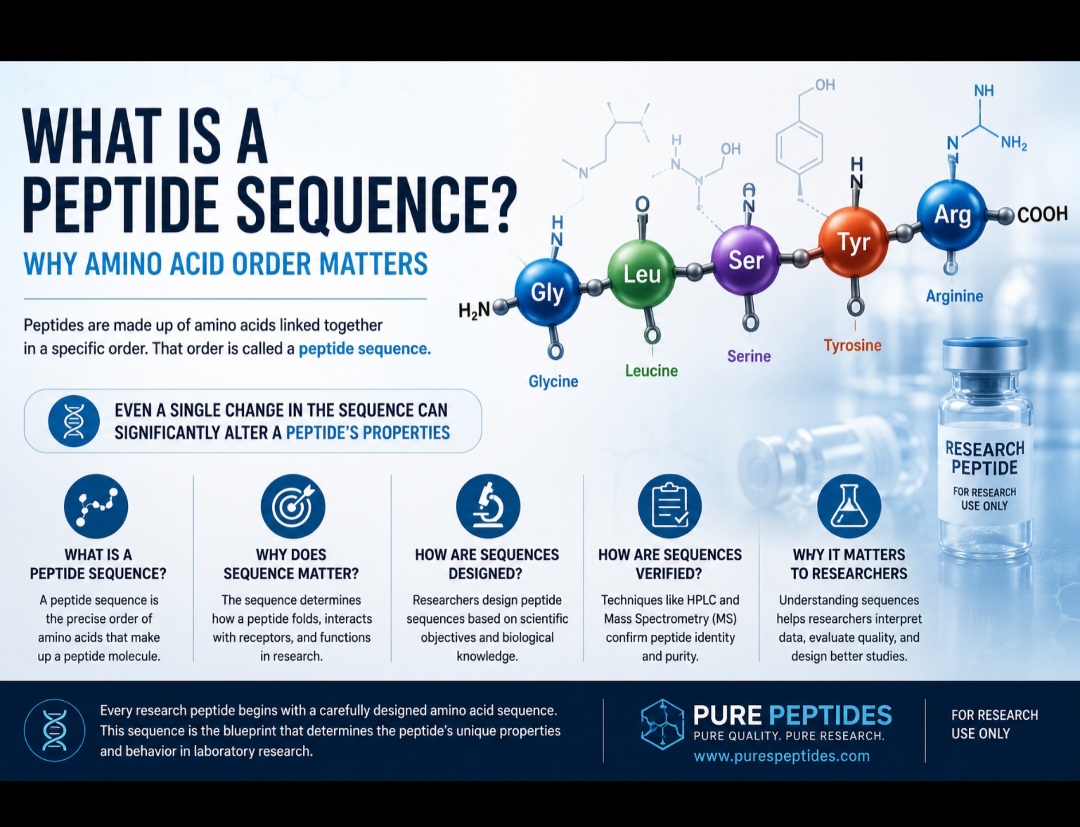
- Documentation: Keep the COA handy; it includes mass confirmation that validates the correct sequence.
Conclusion
From target validation to imaging, peptides provide versatile tools that accelerate cancer discovery. By integrating Pure Peptides into your experimental pipeline, you gain access to high‑quality reagents that match the exact specifications of your research.