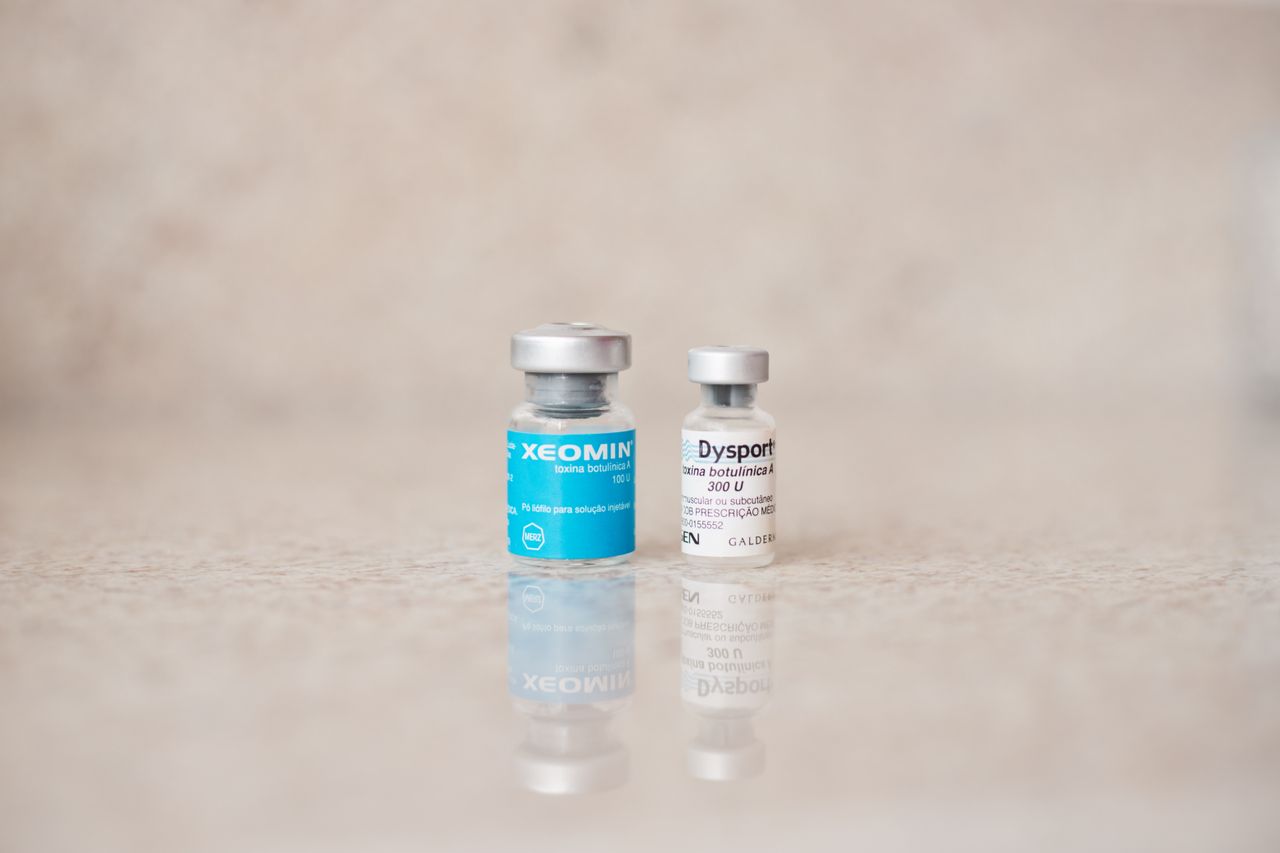


Lyophilization, commonly known as freeze-drying, is one of the most effective preservation methods used for research peptides. By removing moisture under controlled conditions, this process helps maintain peptide stability during storage and transportation while reducing the risk of degradation.
Understanding proper storage conditions is essential for preserving the integrity of research materials and ensuring consistent laboratory results.
What Is a Lyophilized Peptide?
A lyophilized peptide is a peptide that has undergone a freeze-drying process to remove water while preserving its molecular structure. The result is a dry, stable powder that is generally more suitable for long-term laboratory storage than a peptide in solution.
Because moisture is one of the primary causes of degradation, keeping peptides in their lyophilized form can significantly improve their shelf life when stored correctly.
How Long Can Lyophilized Peptides Last?
The exact shelf life depends on several factors, including the peptide sequence, purity, storage conditions, and manufacturer recommendations.
Under appropriate laboratory storage conditions:
- Room temperature: Suitable only for short-term handling during laboratory procedures.
- Frozen (-20°C or below): Generally recommended for longer-term preservation of many research peptides
- Refrigerated (2–8°C): Often appropriate for temporary storage before use in research.
Some lyophilized peptides may remain stable for extended periods when stored continuously at recommended freezing temperatures in unopened, properly sealed containers. Researchers should always consult available documentation for compound-specific storage guidance.
Factors That Affect Stability
Several environmental conditions can influence peptide stability over time, including:
- Heat exposure
- Moisture and humidity
- Direct sunlight exposure
- Oxygen Exposure
- Repeated temperature fluctuations
- Frequent opening of storage containers
Minimizing exposure to these conditions helps preserve research material quality.
Best Storage Practices
Researchers can improve long-term stability by following several general best practices:
- Store peptides in a cool, dry environment
- Keep containers tightly sealed
- Protect from excessive light
- Avoid unnecessary temperature cycling
- Store accordingly to manufacturer recommendations
Proper inventory management and labeling can also help maintain consistency across research projects.
After Reconstructing
Once a peptide has been reconstituted, its stability may differ significantly from its lyophilized form. In general, solutions are more susceptible to degradation and contamination than dry powders.
Researchers should follow compound-specific handling recommendations after reconstitution and prepare only the quantity needed for ongoing laboratory work whenever practical.
Final Thoughts
Lyophilization plays an important role in preserving research peptides by reducing moisture and improving long-term stability. While storage recommendations may vary between compounds, maintaining appropriate environmental conditions can help protect peptide integrity and support reliable laboratory research.
Disclaimer: Pure Peptides supplies products strictly for laboratory research purposes only. Products are not intended for human or veterinary use, diagnosis, treatment, or consumption. Always follow appropriate laboratory handling and storage procedures.